The role of a technical director in live broadcasting.
Live broadcasting is unforgiving. There are no second takes, no pause buttons, and no opportunity to fix it in post. The technical director is the person responsible for making sure the entire technical infrastructure of a live broadcast works and when something goes wrong, for making decisions fast enough that the audience never knows it happened.
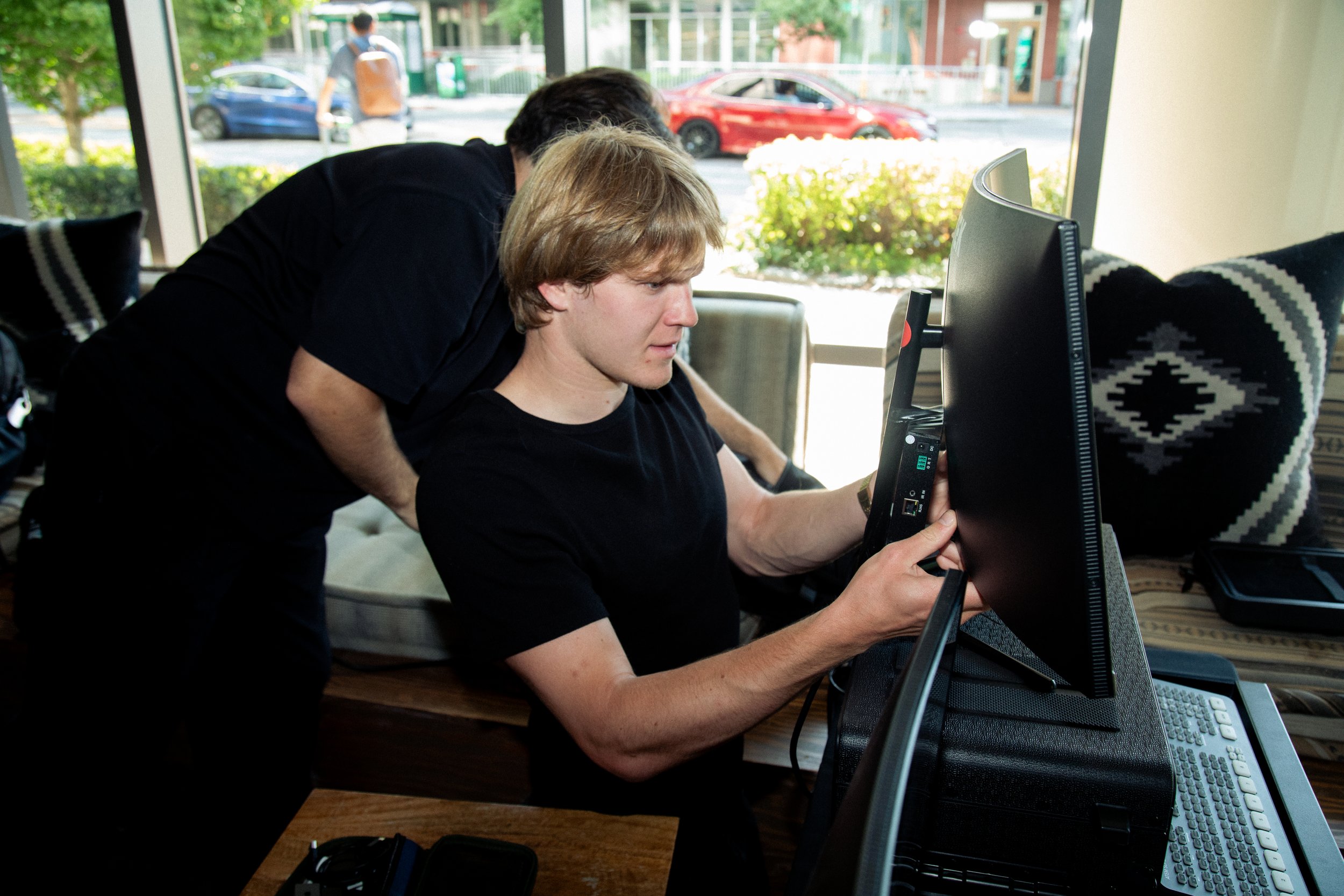
What a Technical Director Does
The technical director (TD) in a live broadcast environment operates the video switcher the device that controls which camera feed is on air at any given moment. In broadcast directing, the director calls the shots verbally and the TD executes them, switching between camera angles, graphics, playback, and any other video sources in real time. In smaller productions, one person may hold both roles.
Beyond switching, the TD is responsible for the technical integrity of the entire broadcast signal chain: cameras, encoders, audio feeds, graphics systems, internet connectivity, and the platform receiving the stream. Technical event production at a professional level means every piece of that chain has been tested, every backup has been verified, and every failure scenario has a response plan.
R56 Studio's broadcast directing team includes experienced technical directors who have run live events at a professional level. When the pressure is on, we perform — r56studio.com.
Live Switching and Visual Storytelling
The best TDs understand that switching is storytelling. The decision of when to cut, when to stay wide, when to push to a close up, and when to use a two shot is a creative and editorial decision happening in real time. In a corporate conference, these decisions affect how the audience experiences the speaker and how the recording serves the event post-production team who will edit the session for distribution.
Why Experience Matters
4K live streaming with professional multi camera broadcast directing is not a situation for on the job learning. The cost of a technical failure a dropped stream, bad audio, missed content is measured in audience trust and organizational reputation. Live stream production services delivered at a professional level require a TD who has run enough events to anticipate failure modes before they occur and respond to the ones that couldn't be anticipated with composure and speed.
For corporate events where professionalism is non-negotiable, you need a broadcast team that has done this before. R56 Studio has — r56studio.com.